Carbon Footprint Reporting Tools for SME Manufacturing Companies

The carbon footprint of manufacturing
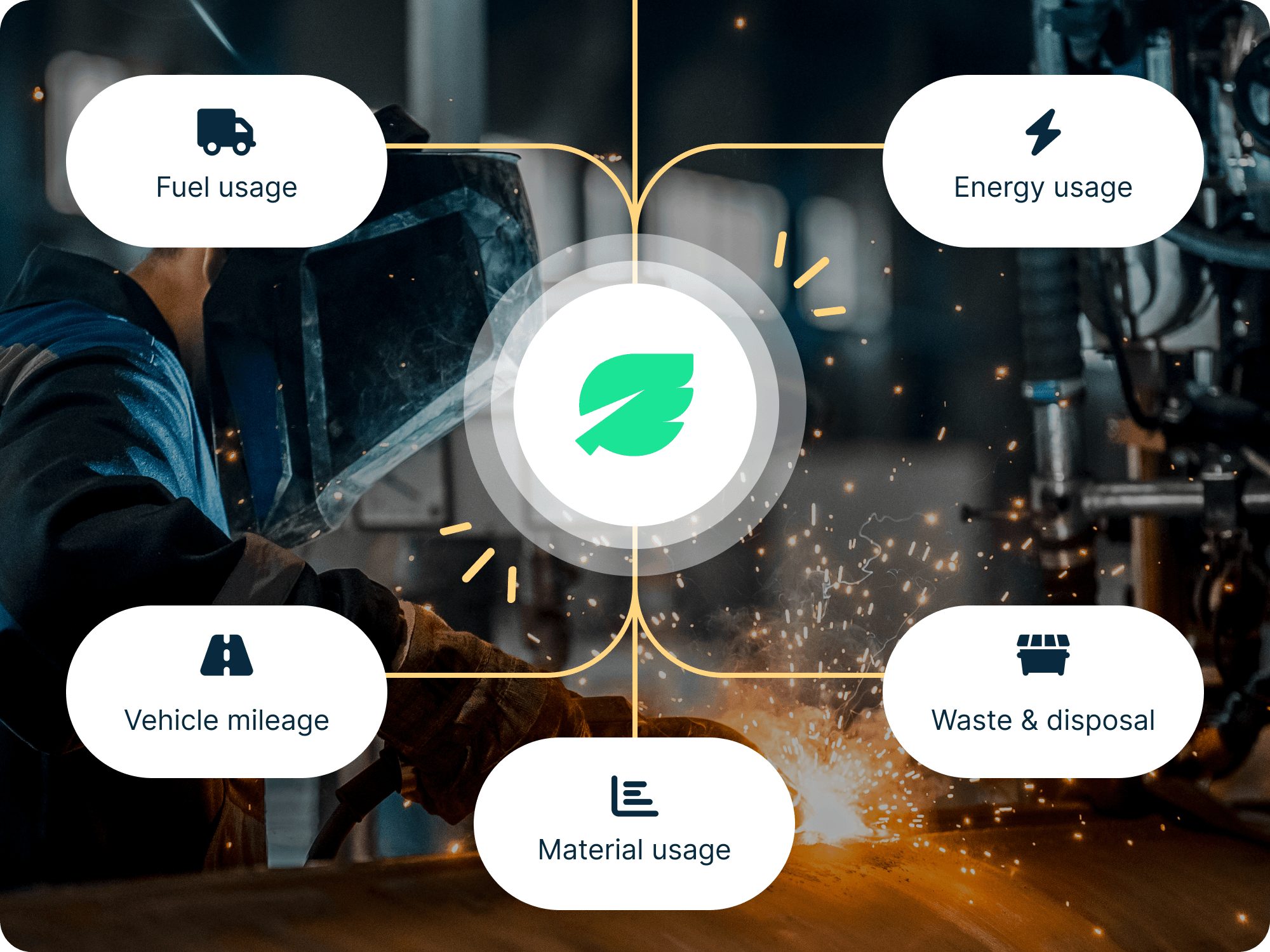
As a manufacturer, carbon is embedded in every stage of your operations - from the materials you source, energy sued in production, to the way you ship product.
Regulators, customers, and supply chain partners are increasing pressure on manufacturers to demonstrate sustainability commitments, whether through Scope 3 reporting, tenders, or Net Zero targets. But with complex supply chains and energy-heavy processes, tackling carbon can feel overwhelming.
With our simple, intuitive platform, plus one-to-one support from an expert, we help manufacturers measure, manage, and reduce their carbon footprint - without overburdening your busy team.
How we help
With intuitive software and one-to-one support from a carbon accounting expert, we'll make it easy to accurately measure your your full scope carbon footprint in line with the GHG Protocol.
First, we'll guide you through the collecting the data you need to measure an accurate footprint - everything from the energy and fuels used in your facilities to business travel.
Next, we'll help you to understand and set a science-based Net Zero target, and build a plan to reduce emissions. You can also offset emissions through high-quality, verified projects in just a few clicks.
Finally, communicate your emissions and steps to decarbonise credibly, with key reports such as public sector Carbon Reduction Plans and a Seedling verified GHG Inventory to share with your clients.
Materials deep-dive
Gain a comprehensive understanding of the emissions associated with the raw materials in your supply chain. Our platform allows you to track and analyze the carbon footprint of each material, helping you identify high-impact areas and opportunities for improvement.
Distribution
Consider the entire logistics process, from the choice of transportation modes to the efficiency of delivery routes. By optimizing these factors, you can significantly reduce the carbon emissions associated with product distribution.
Waste
Effective waste management is crucial in reducing your carbon footprint. Our platform assists you in identifying the carbon emissions associated with waste generation and disposal.

Book Your Free Discovery Call


The Seedling platform
Measure, reduce, and report your carbon footprint with confidence, using our intuitive carbon accounting software and expert guidance.
Measure an accurate, full-scope carbon footprint
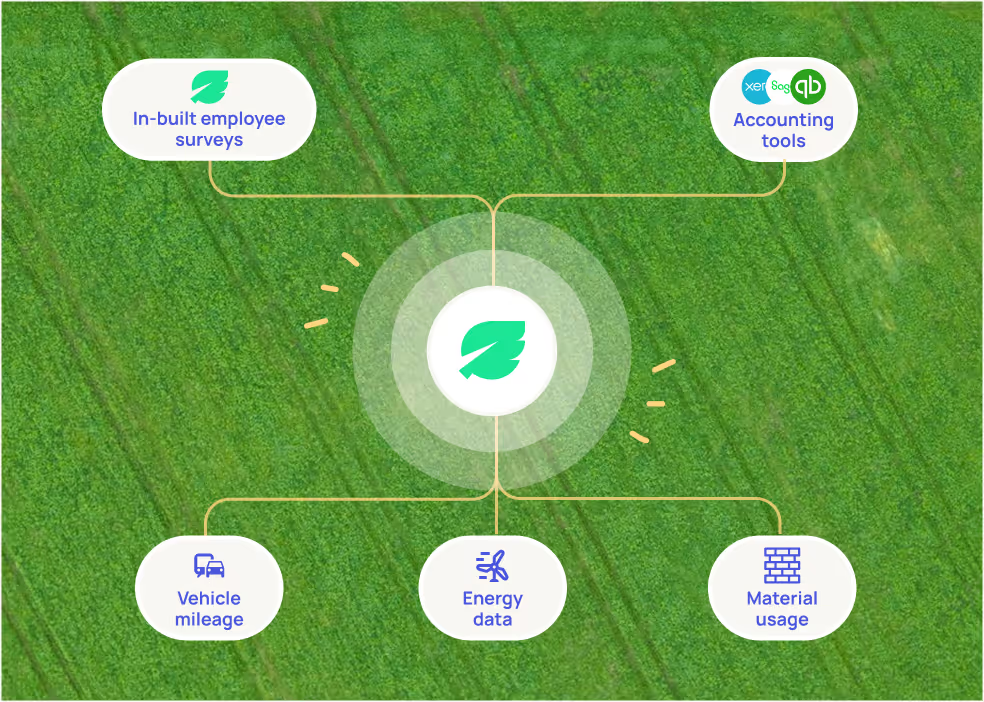
With our intuitive carbon footprint measurement software, plus support from an expert, measuring an accurate footprint is straightforward. Use integrations to pull business data and share our in-built employee and supplier surveys to easily collect accurate data.
Your expert gets to know your businesses and helps build a plan to handle nuance and complexity.
Easily identify your emission hotspots
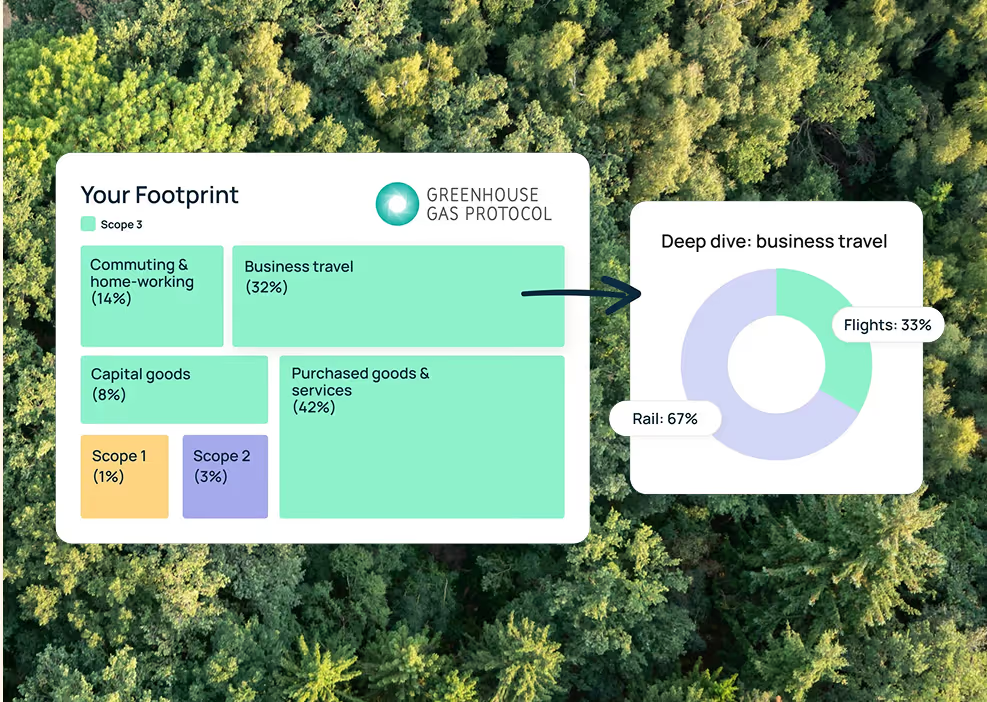
Your Seedling dashboard automatically segments footprint data the way you and your clients need it. Use our deep dive tool to understand your hotspots and plan to decarbonize.
See reporting by Scope 1, 2 and 3, GHG Protocol categories, as well as granular breakdowns to understand your hotspots and plan to decarbonise.
Build your business's pathway to Net Zero
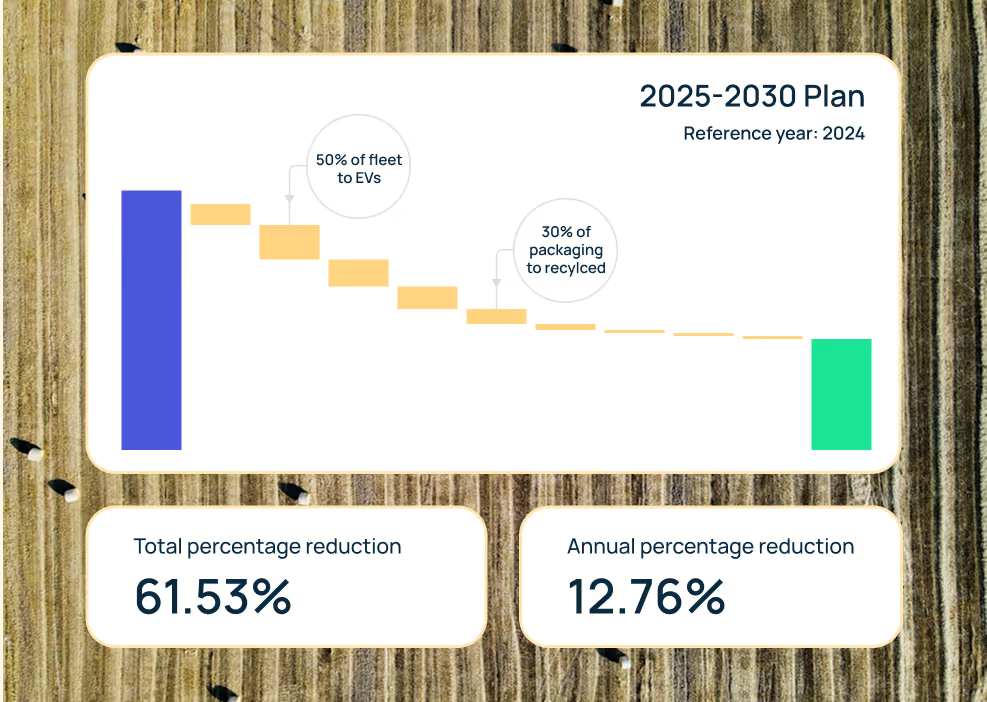
Work with a carbon expert to model your bespoke Net Zero roadmap in line with the SBTi framework. Using our hotspot analysis to focus your efforts, you can quantify the impact of a wide range of initiatives and take into account feasibility, cost and resource allocation.
Test and compare multiple roadmap scenarios to inform your level of ambition.
Fund verified climate action projects
Invest with confidence in projects verified to reduce or remove carbon, alongside a range of other benefits - like supporting local communities and improving biodiversity.
Learn more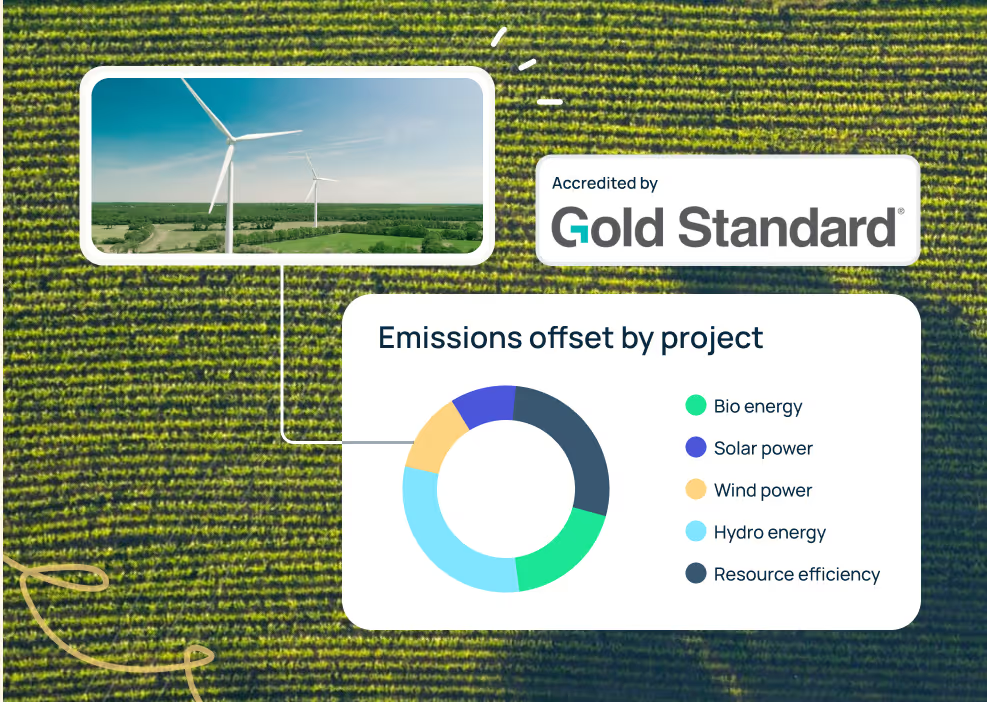
Produce key compliance-ready emission reports in a click
Share your plans to decarbonize with Seedling's digital toolkit. Reports are automatically generated in the compliant format you need. Simply tweak, sign if needed, and export, or link to the report hosted by Seedling.
Learn more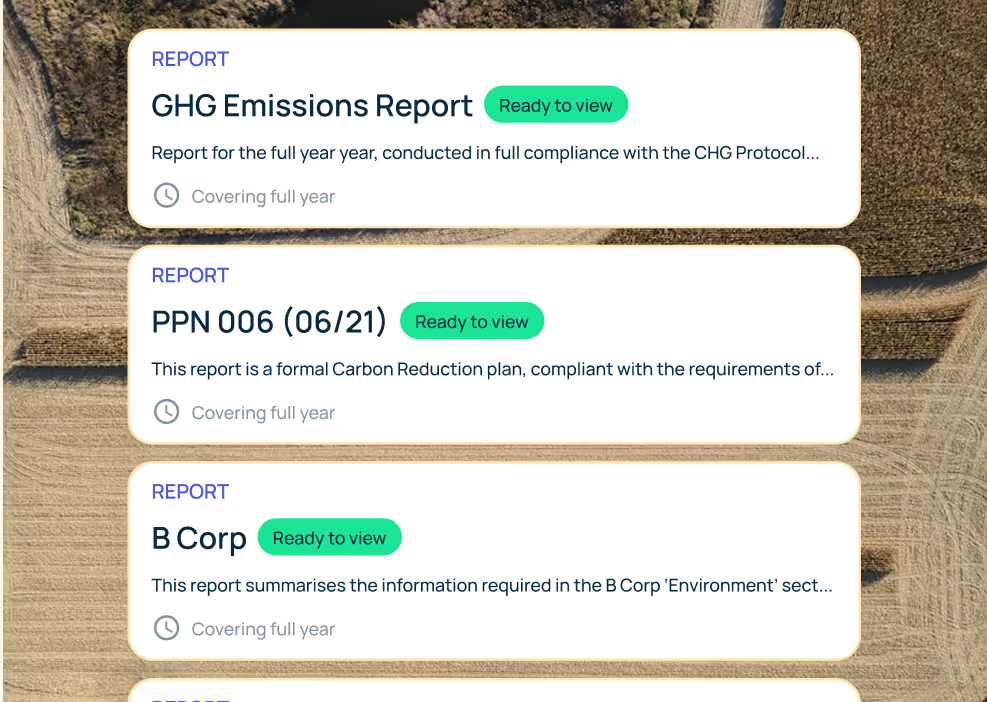
Become a Seedling Certified Business
Seedling's certification recognises businesses that have established a robust plan to reduce carbon emissions, backed by data and climate science.
Learn more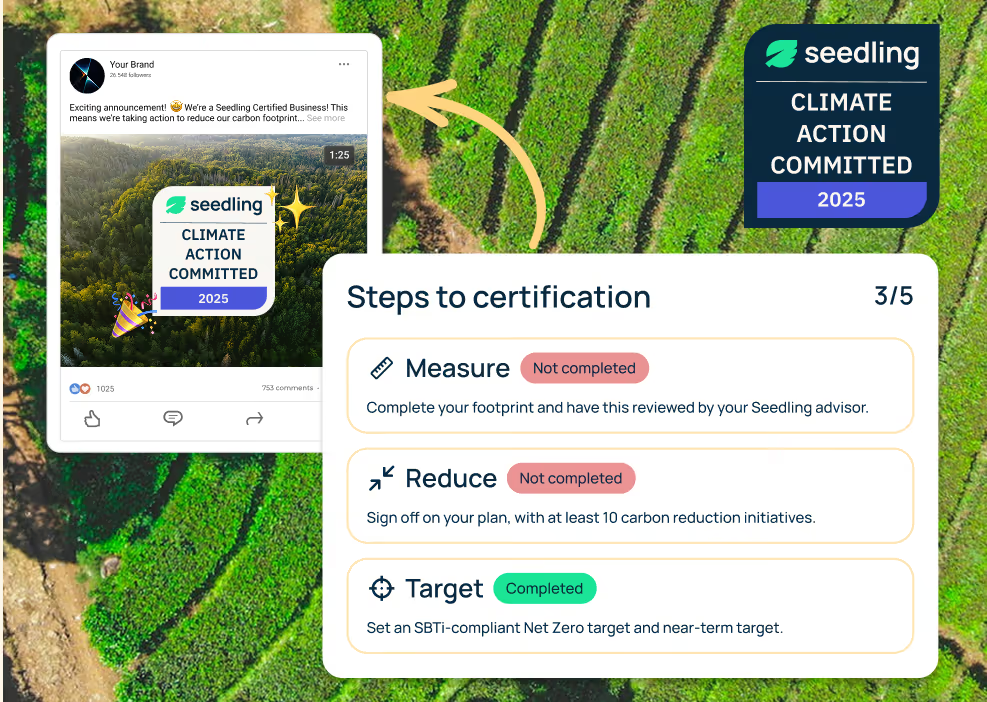
One-to-one expert support to manage your emissions
Unlike many carbon accounting platforms, at Seedling we guide you through your climate action journey.
Each clients has a dedicated, named carbon expert. They're on hand from day one - from supporting with queries on data, to helping finalise and share your Net Zero strategy.

FAQs
Your questions answered.
What are the key sources of emissions for manufacturers?
Manufacturers typically have significant Scope 1 emissions (e.g. fuel used in machinery, onsite heating), Scope 2 emissions (electricity used in production facilities), and Scope 3 emissions from raw materials, packaging, transport, and downstream product use. Supply chain emissions are often the largest contributor.
How can we track emissions from raw materials and production processes?
Seedling uses activity-based data to help you calculate emissions from materials, energy use, and production volumes. You can input details like material types, weights, and sources to get accurate carbon estimates—and identify high-impact areas for reduction.
Why should manufacturers invest in carbon reporting now?
Sustainability is increasingly a requirement for procurement, export, and investor relations. Accurate carbon reporting helps meet buyer expectations, supports compliance with regulations like PPN 06/21, and positions your business for future-proof growth—especially as pressure increases across the value chain.
Still have questions?
Book a demo or get in touch and we'll be happy to help.


.svg)