SBTI Target-Setting Tool
Trusted By 500+ businesses around the world








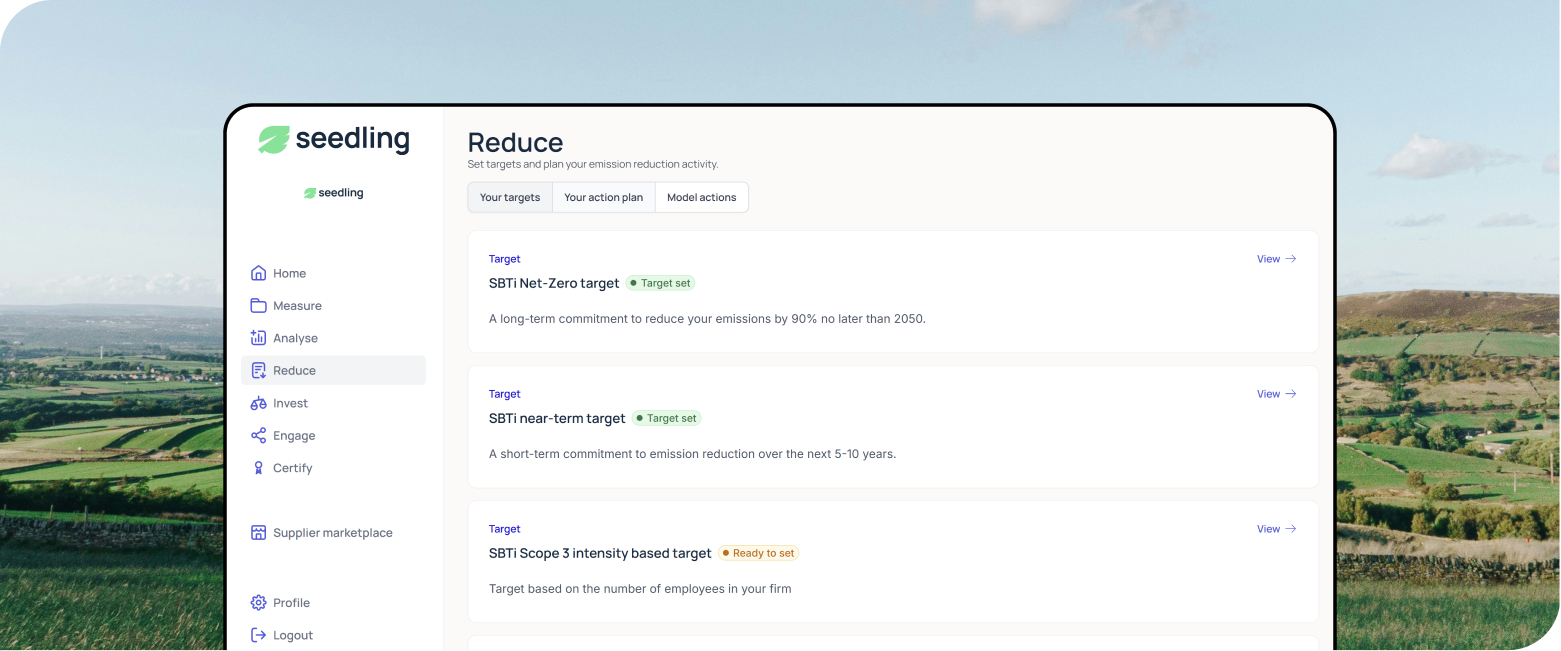
Set SBTi-aligned targets across multiple timeframes and methodologies
Once your emissions are measured, configure targets that reflect how your business needs to operate. The tool supports short-term and long-term targets, absolute and intensity-based modelling, and coverage of all Scopes as required by the SBTi.
Visualise your required reduction trajectory
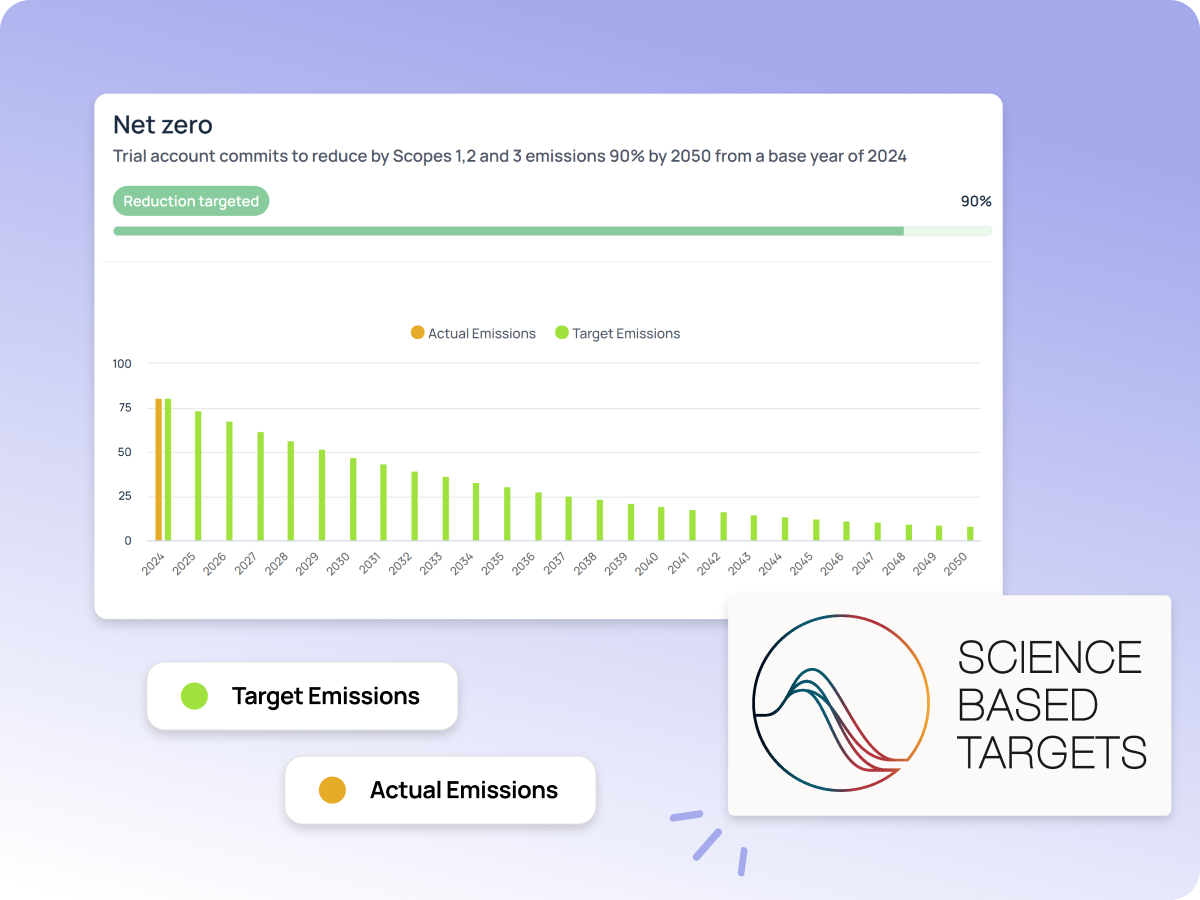
Understanding what a target actually demands of your business is as important as setting it. Our visualisation tools let you:
- See your required emissions reduction curve plotted against your historical baseline
- Compare how different target types and ambition levels change the trajectory
- Identify when the biggest reductions are required, so planning can start early
- Present your pathway clearly to leadership, investors or external stakeholders
This makes the numbers tangible, not just compliant.
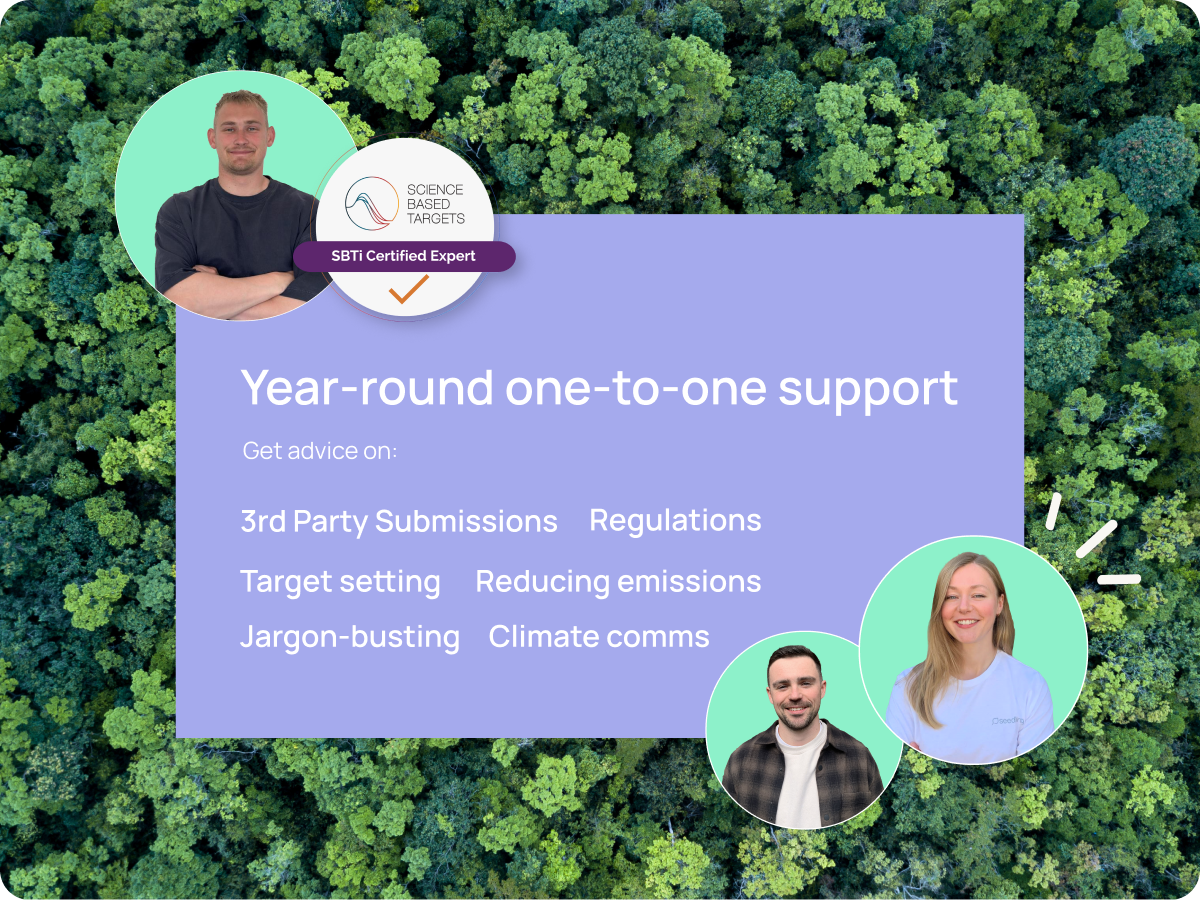
Expert support to get your targets right first time
SBTi submission requires more than good intentions. Our carbon experts work with you to make sure your targets are:
- Ambitious enough to meet SBTi thresholds
- Realistic given your operational context and reduction pathway
- Correctly structured for your sector and business classification
- Ready for submission to the SBTi (if you want)
You will not be navigating the SBTi framework alone. Your expert is available throughout target setting, scenario review and the submission process itself.
Book Your Free Discovery Call


More Within Reduce
Other features to help you make progress on the path to Net Zero.
What our clients say
Don't just take our word for it...
.png)








%201.png)

Ready to get started?

Book a demo with one of our experts today, or get started right away for free.
FAQs
Your questions answered
What are Science Based Targets and how do I set them?
Science Based Targets (SBTi) are greenhouse gas reduction targets aligned to the level of decarbonisation required to limit global warming to 1.5°C. To set them, you need a verified emissions baseline covering Scope 1, 2 and relevant Scope 3 categories, followed by target calculations that meet SBTi's methodology requirements. Our platform handles the calculation and validation process, with expert support throughout.
What is the difference between absolute and intensity-based SBTi targets?
An absolute target commits to reducing your total emissions by a set percentage over time, regardless of business growth. An intensity target reduces emissions relative to a business metric, such as tCO2e per £1m revenue, which can be more appropriate for businesses expecting significant growth. Both are accepted under SBTi frameworks, and the right choice depends on your sector, structure and growth trajectory.
How long does SBTi target validation take?
Once submitted, SBTi validation typically takes several months, though timelines vary. Setting targets correctly before submission is the best way to avoid delays caused by revision requests. Our tool validates your targets against SBTi criteria in advance, and your carbon expert reviews everything before it goes in.
Do small businesses need to set SBTi targets?
SBTi has a dedicated SME route that simplifies the process for smaller businesses. While not every business is required to set targets, doing so is increasingly expected by investors, large customers and public sector procurement frameworks. Starting with a verified footprint and a structured target setting process makes the commitment credible from day one.
Still have questions?
Book a demo or get in touch and we'll be happy to help.
.svg)